Ransomware Malaysia 2026 Report – Why SMEs Are The New Target
Key Takeaways
- Attacks are local: 98% of ransomware incidents in Malaysia now target domestic SMEs, not just global giants.
- Costs are rising: The average ransom demand for a Malaysian SME has hit RM180,000 in 2026.
- Antivirus is obsolete: Modern “fileless” attacks bypass traditional antivirus software completely.
- Double extortion is the norm: Hackers don’t just lock your data; they steal it to threaten your clients and partners.
- Compliance traps: Under the new Cyber Security Act 2024, falling victim can also lead to legal penalties if you are an NCII vendor.
Why are hackers targeting small Malaysian businesses instead of banks?
Hackers have shifted to Malaysian SMEs because large banks have invested millions in “fortress-level” security. SMEs are seen as “soft targets”—often running outdated software, lacking dedicated IT teams, and willing to pay ransoms quickly to avoid bankruptcy. In 2026, it is mathematically more profitable to hack 100 small shops for RM50,000 each than to spend months trying to breach one bank.
The Reality Check:
You might think, “I sell hardware in Puchong, why would Russian hackers care about me?” They don’t. Their automated scanning bots do. Once they find an open door, they enter, lock the digital gates, and hold your business hostage.
2026 Ransomware Statistics: The Silent Crisis
The latest reports from CyberSecurity Malaysia and private sector intelligence reveal a terrifying shift in attack volume.
While overall cyber incidents fluctuate, ransomware specifically designed for Malaysian targets has surged by nearly 78% year-on-year. The “spray and pray” method is over; hackers are now using Ransomware-as-a-Service (RaaS) platforms that allow even non-coders to launch sophisticated attacks for a monthly subscription fee.
The Financial Toll:
- RM1.22 Billion: The estimated total loss to Malaysian businesses from cyber threats in 2025/2026.
- RM180,000: The average ransom payment demand for a small enterprise.
- 60%: The percentage of small businesses that close down within 6 months of a major data breach.
Case Study: The Selangor Logistics Nightmare
A real-world look at how a localized attack unfolds and the devastating operational costs involved.
The “8-Day Blackout” Attack
Sector: Logistics & Distribution (Selangor)
Date: March 2025
The Scenario:
A mid-sized distribution firm with 40 staff received an email disguised as a “Customs Declaration Form” from a known vendor. One click deployed a fileless ransomware payload. It didn’t act immediately. It sat silently for two weeks, mapping the network and infecting backups. On a Friday evening, it executed.
The Impact:
- Operations: All inventory systems encrypted. Trucks couldn’t move because no one knew what to load.
- The Demand: RM420,000 in Bitcoin.
- The Response: The company tried to restore from backups, but the hard drives were also encrypted. Desperate, they negotiated and paid RM300,000.
- The Result: The hackers sent a decryption key that only worked on 70% of the files. The company was offline for 8 days.
- Long-term Damage: Two major multinational clients canceled their contracts due to “supply chain risk failure,” costing the firm RM1.2 million in future revenue.
Expert Insight:
“The ransom is the cheapest part of the attack. The real killer is the downtime and the loss of reputation. Your clients will not forgive you for losing their data.”
The True Cost of a Breach (It’s Not Just the Ransom)
Most business owners budget RM0 for cybersecurity, thinking a breach is unlikely. Here is the actual invoice you face.
When we analyze the RM180,000 average figure, it breaks down into more than just the payment to the criminal.
- The Ransom Payment (RM50k – RM500k): Even if you pay, there is no guarantee you get your data back. MyCERT advises against paying, but many SMEs feel they have no choice.
- Forensic Investigation (RM20k – RM50k): You need IT experts to find out how they got in and ensure they aren’t still hiding in your server.
- Legal Penalties (RM100k+): If you are part of the National Critical Information Infrastructure (NCII) supply chain under the Cyber Security Act 2024, or if you leak personal customer data (PDPA), you face heavy fines.
- Hardware Replacement: Often, infected machines are considered “dirty” and must be wiped or replaced entirely.
Why Your Free Antivirus Failed
Relying on basic antivirus in 2026 is like bringing a knife to a gunfight.
If you are still using free antivirus or basic Windows Defender, you are vulnerable. Here is why:
- Signature-Based vs. Behavior-Based: Traditional antivirus looks for “known bad files” (signatures). If the hacker writes a new virus today, your antivirus won’t recognize it until next week.
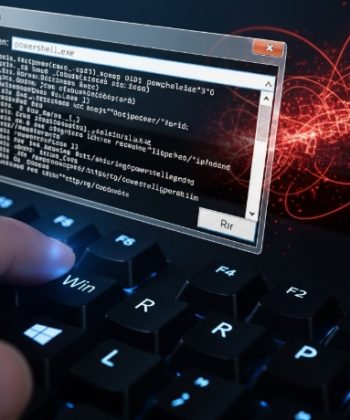
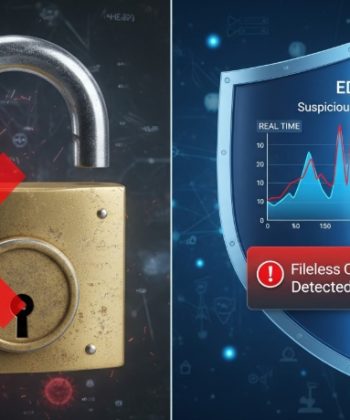
- Fileless Malware: Modern attacks don’t save files to your hard drive. They live in your computer’s RAM (memory) or use legitimate tools like PowerShell to do damage. Antivirus cannot scan these “invisible” threats.
- The Solution is EDR: You need Endpoint Detection and Response (EDR). Unlike antivirus, EDR looks for suspicious behavior. If a calculator app suddenly tries to connect to the internet and encrypt files, EDR kills the process immediately.
How to Fight Back: The “3-2-1” Rule
You cannot stop every attack, but you can ensure you never have to pay a ransom.
The only reason companies pay ransoms is that they have no other copy of their data. To survive 2026, you need to implement the 3-2-1 Backup Strategy immediately:
- 3 Copies of Data: One primary, two backups.
- 2 Different Media: E.g., one on a local NAS drive, one in the Cloud.
- 1 Offsite (Immutable): This is critical. You need a cloud backup that is immutable—meaning even if you (or a hacker) try to delete it, it cannot be deleted for 30 days.
Still relying on luck to protect your business?
Find the right partner. Struggling to vet vendors? Listing.my connects you with verified Malaysian cybersecurity experts and IT firms. Browse real reviews and secure your business today.
Don’t wait for the red screen to appear.
FAQ: Ransomware in Malaysia
1. Is paying the ransom illegal in Malaysia?
It is not explicitly illegal to pay, but it is highly discouraged by the police and Bank Negara. However, funding terrorism is illegal, and you have no way of knowing who the wallet belongs to.
2. Can I claim ransomware losses from insurance?
Only if you have specific Cyber Liability Insurance. Standard fire/theft business policies usually exclude cyberattacks. Insurers now require you to have EDR and backups installed before they will cover you.
3. What is “Double Extortion”?
This is a tactic where hackers steal your data before locking it. Even if you have backups and refuse to pay, they threaten to email your customer database to your competitors or leak it on the Dark Web.
4. How do I report a ransomware attack?
You must report it to Cyber999 (operated by CyberSecurity Malaysia). If you are an NCII entity, you are legally required to report it to NACSA immediately.
5. Does formatting my PC remove ransomware?
Usually, yes, but it also deletes your data. And sophisticated hackers may have infected your BIOS/UEFI, meaning the virus survives even after a format. Professional remediation is recommended.