How To Hire A Reliable Plumbing Service Provider in Malaysia
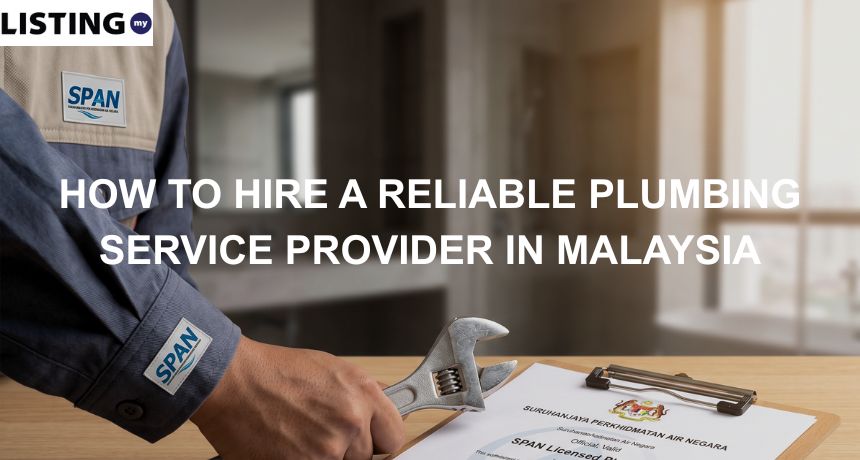
Key Takeaways:
- Major plumbing work in Malaysia should only be handled by plumbers registered with SPAN. Hiring unlicensed workers may void your home insurance and cause legal or financial problems.
- Condo and apartment owners must follow the Strata Management Act 2013 when handling inter-floor leak issues. Ignoring the proper process can lead to disputes with neighbors or management.
- Good plumbers communicate clearly on WhatsApp. Trusted plumbing companies often use WhatsApp for video inspections and detailed price quotations instead of giving unclear verbal estimates.
- Choose better pipe materials during renovations. Replacing old GI pipes with modern HDPE or PPR pipes can reduce future repair costs and improve long-term durability.
- Use trusted business directories to find reliable and registered plumbing service providers. This helps reduce the risk of hiring unreliable handymen.
Plumbing service providers in Malaysia are professional technicians or registered corporate entities that possess valid Suruhanjaya Perkhidmatan Air Negara (SPAN) permits and appropriate CIDB registration. They specialize in diagnosing structural water leaks, replacing outdated piping networks, and maintaining residential or commercial infrastructure while complying with national water standards and local strata management bylaws.
Plumbing is seen by many home and property owners as a simple manual task. Choosing the incorrect contractor, however, might swiftly lead to fines from your Joint Management Body (JMB), denied insurance claims, or continuing conflicts with your neighbours due to Malaysia’s structural restrictions.
This guide serves as a practical blueprint to safely navigate the local industry, protect your wallet, and secure reliable plumbing service providers in Malaysia.
Why Plumbing Work in Malaysia is a Legal Matter
In Malaysia, plumbing is heavily tied to legal regulations and property safety. Major plumbing installations, repairs, or renovations must legally be handled by a professional holding a valid SPAN license under the Water Services Industry Act 2006.
High-Rise Liabilities (Strata Management Act 2013)
For owners of condominiums, apartments, and serviced suites, the stakes are much higher. If substandard plumbing work damages shared building systems such as common water pipes or drainage stacks, the individual homeowner can be held legally and financially responsible for all repair charges.
Prevent Rejected Insurance Claims
Hiring an unlicensed handyman creates severe insurance risks. If faulty plumbing work causes accidental flooding in your neighbour’s unit, your home insurance provider may reject your claim because uncertified labour was used.
Professional Credibility
To ensure legal protection and peace of mind, reliable plumbing service providers in Malaysia operate as legitimate businesses backed by
- Official SSM business registration
- Public liability insurance
- Written workmanship warranties
Handyman vs. SPAN-Certified Plumber Comparison
Not every leaky pipe requires a fully licensed engineering team. To save money without compromising on compliance, use this matrix to determine exactly who you need to hire:
| Scope of Work | Preferred Provider | Licensing Required |
| Replacing a toilet flush valve, fixing a loose kitchen tap, or clearing a minor sink clog. | Local Handyman (Tukang) | None (Basic skill set) |
| Relocating a main water meter, or modifying supply lines before the internal stopcock. | SPAN-Certified Plumber | SPAN IPA Permit Type A |
| Repairing structural inter-floor leaks in condominiums or apartments. | Specialized Waterproofing / Plumbing Contractor | CIDB Registration (e.g., Category B24 for Waterproofing) or SPAN Permit |
| Replacing old Galvanized Iron (GI) pipes with modern Poly Pipes (HDPE) across a whole landed property. | Registered Plumbing Company | SPAN IPA Permit Type A1 |
Condo Ceiling Leak in Malaysia: Step-by-Step Legal Process
If water is leaking from your condo ceiling, you cannot immediately hire a plumber to break open the floor above your unit. In Malaysia, inter-floor water leaks in condos and apartments must follow a legal process under the Strata Management (Maintenance and Management) Regulations 2015.
Here is the step-by-step process every condo owner should know:
Step 1: Submit a Formal Complaint
The affected homeowner must send a written complaint to the building management office. This is usually the Joint Management Body (JMB) or the Management Corporation (MC).
The complaint should explain the leak problem clearly and include photos or videos if possible.
Step 2: Building Management Inspection
After receiving the complaint, the JMB or MC must inspect:
- The affected unit
- The unit above
- Any related common property pipes or plumbing systems
This inspection must be completed within 7 days to identify the real cause of the water leak.
Step 3: Form 28 Certificate Issuance
Within 5 days after the inspection, the management office must issue a Form 28 Certificate of Inspection.
This document officially states:
- The source of the leak
- Who is responsible for the repairs
The responsible party may be:
- The upstairs unit owner (such as damaged bathroom waterproofing)
- The JMB or MC (such as leaking shared pipes or common property defects)
Step 4: Mandatory Repair Works
The responsible party must complete the repair work within 7 days after receiving Form 28.
If the upstairs owner refuses to cooperate or delays repairs, it may become a legal offense under Malaysian strata laws.
In serious cases, the building management can enter the unit, carry out the repairs, and charge the owner for all related costs.
Following the correct procedure can save time, reduce conflict between neighbors, and prevent further property damage.
How to Spot a Reliable Plumbing Contractor in Malaysia
Hiring the wrong plumber can lead to poor workmanship, hidden costs, and bigger plumbing problems later. Before choosing a plumbing contractor in Malaysia, use this simple checklist to spot warning signs and identify true professionals.
Red Flags To Look Out When Hiring a Plumber
Be extra careful if a plumbing contractor shows any of these warning signs:
Blind Price Quotes
A contractor gives you a fixed price immediately over the phone without checking photos, videos, or inspecting the issue properly.
Professional plumbers usually need basic information first before providing an accurate estimate.
Full Upfront Cash Payments
The plumber demands 100% payment in cash before arriving at your property or starting any work.
This is a common warning sign of unreliable contractors.
Ignoring Condo or JMB Rules
The contractor claims they can perform noisy hacking work in a condo during restricted hours, weekends, or without management approval.
Experienced plumbers understand condo renovation rules and management procedures.
Using Cheap or Non-Approved Materials
The contractor uses thin, low-quality PVC pipes for high-pressure water supply systems instead of SIRIM-approved materials.
Cheap materials may save money short term but can cause leaks and pipe failures later.
Green Flags of a Professional Plumbing Contractor
Reliable plumbers usually demonstrate these positive habits and work standards:
WhatsApp Photo or Video Inspection
Professional plumbers often ask for photos or short videos of the leak, damaged pipe, or water meter through WhatsApp before preparing an estimate.
This helps them understand the problem better before visiting the site.
Clear and Transparent Pricing
A trustworthy contractor clearly explains:
- Inspection or trip fees
- Labour charges
- Material costs
- Estimated repair costs
Transparent pricing helps avoid hidden charges later.
Understanding Condo and Strata Rules
Experienced plumbers will ask about:
- Building management guidelines
- Approved working hours
- Renovation permits
- Deposit requirements
This shows they are familiar with Malaysian condo and strata property regulations.
Written Workmanship Warranty
Professional plumbing contractors usually provide a written warranty for their work and materials.
Most workmanship guarantees in Malaysia range from 30 to 90 days, depending on the repair type.
Plumbing Contractor Checklist Malaysia: What to Check Before Paying a Deposit
Hiring the wrong plumber can lead to hidden costs, poor workmanship, and serious water damage. Before paying any deposit to a plumbing contractor in Malaysia, use this simple checklist to protect yourself and your property.
1. Verify the Company’s Business Registration
Always ask for the contractor’s official company name registered with the Companies Commission of Malaysia (SSM).
Be careful of contractors who only provide:
- A first name
- A mobile phone number
- No business details
A registered business gives you better accountability if problems happen later.
2. Ask for SPAN Registration Details
For major plumbing works or water system modifications, ask for the contractor’s SPAN registration number.
You should also verify the registration through the official SPAN website to confirm the contractor is legally qualified to carry out the work.
This is especially important for large plumbing repairs, pipe replacements, or renovation projects.
3. Keep Everything in Writing
Always make sure the following details are clearly written in WhatsApp messages or emails:
- Final quotation
- Scope of work
- Material details
- Warranty terms
- Payment terms
Avoid relying only on verbal promises or phone conversations.
Having a written record helps protect both parties if disputes happen later.
4. Confirm the Type of Pipes and Materials Used
Ask the contractor what materials they will use for hidden water pipes and main supply lines.
Professional plumbers usually recommend:
- HDPE pipes
- PPR pipes
- SIRIM-approved materials
Low-quality or non-approved pipes may burst or leak prematurely, leading to expensive repairs later.
5. Ask About Damage and Liability Coverage
Before work starts, ask this important question:
“What happens if your team accidentally damages electrical wiring, walls, tiles, or causes another leak during repairs?”
Professional plumbing companies usually carry liability insurance and will clearly explain who covers repair costs if accidents happen.
Conclusion
Taking a few extra minutes to check a plumbing contractor properly can help you avoid scams, poor workmanship, and unnecessary repair costs. Besides that, a reliable plumber should always be transparent, properly registered, and willing to answer your questions clearly before any work begins.
Finding a trustworthy plumbing contractor in Malaysia can be difficult, especially when many services are advertised through random flyers or unverified social media posts. Choosing the wrong plumber may lead to poor workmanship and unnecessary repair costs.
To make the process safer and easier, you can use Listing.my, one of Malaysia’s trusted business directories. It helps you find verified and reviewed plumbing service providers that follow local regulations, understand condo management rules, and offer more reliable services within your budget.
Sources:
- Water Services Industry Act 2006 (Act 655) & Water Services Industry (Permit) Rules 2007
- Strata Management (Maintenance and Management) Regulations 2015 [P.U. (A) 107/2015: Malaysian Federal Government Gazette
- Construction Industry Development Board (CIDB) Act 520 & Specialization Guidelines
Frequently Asked Questions About Plumbing Services in Malaysia
1. Do I legally need a SPAN-licensed plumber for minor household fixes?
No. You can hire a handyman for minor fixtures like replacing taps or bidets. However, a SPAN-certified plumber with an IPA Type A Permit is legally required for major overhauls, structural adjustments, or altering internal supply line networks (perpaipan dalaman) after the main water meter point.
2. What should I do if my upstairs neighbor refuses to fix a leak ruining my ceiling?
Do not engage in personal arguments. Immediately file a written report with your property’s JMB or MC. Under the Strata Management Act 2013, management will step in to inspect the area and issue a Form 28. If the neighbour still refuses to cooperate after the certificate is issued, they can be prosecuted by the Commissioner of Buildings (COB) or dragged before the Strata Management Tribunal.
3. Why does my condo management require a security deposit for simple plumbing?
Condominium JMBs enforce security deposits (usually ranging from RM200 to RM500) to protect common property infrastructure. If a hired technician accidentally damages the building’s shared service lift, cracks corridor tiles, or floods the common riser room, management uses this deposit to cover immediate emergency repairs.
4. What is the standard lifespan of Poly (HDPE) pipes versus old Galvanized Iron (GI) pipes?
Old Galvanized Iron (GI) pipes typically begin rusting internally, flaking, and leaking after 15 to 20 years, often causing low water pressure and discoloured water. Modern High-Density Polyethylene (HDPE/Poly) and PPR pipes are entirely corrosion-resistant and engineered to last over 50 years under standard domestic water pressure.
5. How can I ensure a plumber won’t double the price after starting work?
Never allow a contractor to begin work based on an ambiguous verbal estimate. Insist on a written, itemized quotation over WhatsApp or email that explicitly separates the diagnostic/trip fee, cost of labor per hour or job scope, and material costs. Ensure it includes a clause stating any unforeseen variations must be approved by you in writing before execution.
6. Does home insurance in Malaysia cover plumbing repairs and water damage?
Standard Malaysian houseowner insurance policies typically cover the consequential damage caused by a burst pipe such as ruined wooden flooring, damaged plaster ceilings, and destroyed furniture. However, policies generally exclude the cost of repairing or replacing the actual section of the pipe that burst due to wear and tear. Always verify your specific policy wording with your insurance agent.