What First-time Mothers Should Know About Breast Pumps
Key Takeaways
- Not every breast pump is the same. A double electric pump is often the best choice for first-time mothers who pump regularly.
- Comfort is just as important as performance. The right flange size helps you pump comfortably and express milk more effectively. Pain during pumping is often caused by using the wrong flange size.
- It’s normal to pump only 2–4 ounces (60–120 ml) per session from both breasts. The amount you pump is not the only sign of a healthy milk supply.
- Always choose a breast pump with MDA approval in Malaysia and follow proper cleaning and sterilising steps to keep your baby safe.
- Regular maintenance keeps your pump working well. Replace silicone parts like duckbill valves every 1–3 months to maintain strong suction and consistent milk output.
A breast pump guide is an essential resource that helps new and expectant mothers select, size, and operate a milk expression device safely. It provides practical instructions on flange measurement, suction modes, hygienic closed systems, and milk storage, empowering mothers to match pump features with their specific postpartum recovery stage, milk supply goals, and daily routine.
Starting your breastfeeding journey as a first-time mother in Malaysia can feel overwhelming. While you’re recovering from childbirth, adjusting to your confinement period, and preparing to return to work after your 98-day maternity leave, choosing the right breast pump can feel like one more thing to worry about.
Many new mothers buy a popular wearable breast pump before their baby is born, only to experience sore nipples, blocked milk ducts, or worry that they are not producing enough milk. It is helpful to visit trusted breast pump stores in Malaysia where you can explore different pump options and get advice on finding the right fit.
The good news is that a better pumping experience starts with learning how a breast pump works and choosing a breast pump that suits your body, lifestyle, and breastfeeding needs.
How Do Breast Pumps Work?
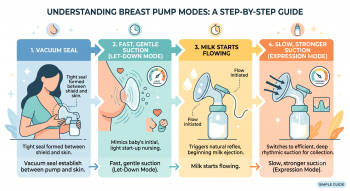
A breast pump does not squeeze milk out of your breast. Instead, it creates a gentle vacuum around your nipple to mimic how your baby naturally sucks. This helps stimulate milk flow and express breast milk comfortably.
The pumping process usually works like this:
Vacuum seal → Fast, gentle suction (Let Down Mode) → Milk starts flowing → Slow, stronger suction (Expression Mode)
What Should You Know Before Buying a Breast Pump?
Suction Power
Suction power is measured in millimetres of mercury (mmHg). Most breast pumps have a suction range of 150–300 mmHg.
A stronger suction does not mean you’ll get more milk. In fact, using suction that is too strong can cause pain, damage breast tissue, and make it harder for milk to flow. The best suction level is one that feels comfortable while expressing milk effectively.
Dual-Phase Technology
Most modern breast pumps use dual-phase technology, which copies the way a baby breastfeeds.
- Let Down Mode: Uses fast, gentle suction to encourage your milk to start flowing.
- Expression Mode: Switches to slower, deeper suction to remove milk more efficiently once your milk has let down.
Closed-System vs. Open-System Pumps
A closed-system breast pump is the better choice for most mothers.
It has a barrier that prevents breast milk from entering the tubing and motor. This helps keep the pump clean, reduces the risk of mold or bacteria growing inside, and makes it safer for your baby.
An open-system breast pump does not have a barrier between the milk collection kit and the pump motor. This means small amounts of breast milk or moisture can enter the tubing or motor during pumping.
Because the inside of the pump is harder to clean, there is a higher risk of mold or bacteria building up over time. For this reason, open-system pumps are generally less hygienic and are not recommended for sharing between mothers. If you choose an open-system pump, clean and dry all removable parts thoroughly after every use.
If possible, choose a closed-system breast pump for better hygiene, easier maintenance, and longer-lasting performance.
How to Use a Breast Pump: Step-by-Step Guide
Using a breast pump correctly can make pumping more comfortable, more effective, and less stressful. The steps are slightly different depending on whether you are using a manual breast pump or an electric breast pump.
How to Use a Manual Breast Pump
Manual breast pumps are lightweight, quiet, and easy to carry. They are a good choice for occasional pumping, relieving breast fullness, travelling, or keeping beside your bed for night feeds.
- Wash your hands with soap and water before touching the pump or breast milk.
- Place the flange correctly by centring it over your nipple to create a good seal.
- Start with quick, gentle squeezes for 1–2 minutes to encourage your milk to let down.
- Switch to slower, longer squeezes once your milk starts flowing.
- Pump each breast for about 10–15 minutes, or until your breast feels softer and more comfortable.
How to Use an Electric Breast Pump
Electric breast pumps use a motor to create suction, making pumping easier and faster. Many models can pump both breasts at the same time (double pumping), helping you save time and maintain your milk supply.
- Wash or sanitise all pump parts according to the manufacturer’s instructions, then assemble the pump.
- Place the flanges over your nipples, making sure they are centred for a comfortable seal.
- Start in Let-Down (Massage) Mode using a low, comfortable suction level.
- Switch to Expression Mode once your milk starts flowing, usually after about 2 minutes.
- Increase the suction gradually until it feels strong but still comfortable. Pumping should never be painful.
- Pump for 15–20 minutes, then turn off the pump, remove the flanges gently, and transfer your breast milk into a clean storage bottle or bag.
Tip: Pumping should feel comfortable, not painful. If you experience pain, stop pumping and check your flange size, pump position, or suction setting before continuing.
Further reading: Common Breast Pump Problems and How to Avoid Them
How Much Breast Milk Should You Pump?
Many first-time mothers worry that they are not producing enough milk after seeing social media posts showing bottles filled to the top.
In reality, every mother’s milk supply is different. It’s normal to pump different amounts at different stages after giving birth, and pumping large amounts is not a sign of better breastfeeding.
| Postpartum Stage | Typical Milk Per Pumping Session (Both Breasts) |
| First 3–5 days (Colostrum) | A few drops to 15 ml (0.5 oz) |
| Weeks 2–4 | 45–90 ml (1.5–3 oz) |
| 1 month and beyond | 60–120 ml (2–4 oz) |
According to global lactation guidelines (such as the CDC and Academy of Breastfeeding Medicine), breastfed babies usually drink about 2–4 ounces (60–120 ml) per feed between 1 and 6 months of age.
So if you’re pumping around this amount in one session, your milk supply is generally within the normal range.
Tip: Don’t compare your milk output with other mothers. The amount you pump can vary depending on the time of day, your baby’s feeding schedule, stress levels, and how well your breast pump fits.
How to Clean and Maintain Your Breast Pump
Keeping your breast pump clean helps protect your baby from germs and keeps your pump working properly.
Clean Your Breast Pump After Every Use
After each pumping session:
- Wash all parts that come into contact with breast milk using warm, soapy water.
- Let the parts air-dry completely on a clean towel or paper towel before storing.
- Store the clean parts in a dry, covered container.
For babies under 2 months old, babies born prematurely, or infants with weakened immune systems, sterilise pump parts at least once a day using steam, boiling water, or a UV steriliser.
When Should You Replace Breast Pump Parts?
Some breast pump parts wear out over time, especially the soft silicone components. Replacing them regularly helps maintain strong suction and consistent milk flow.
| Pump Parts | When to Replace |
| Duckbill valves | Every 1–2 months (or every 2–4 weeks if pumping more than 4 times a day) |
| Silicone diaphragms / backflow protectors | Every 2–3 months |
| Flanges and bottles | Every 6 months, or sooner if they become cracked or scratched |
Tip: If your pump suddenly loses suction, worn duckbill valves are often the first part to check and replace.
How to Store Breast Milk Safely in Malaysia
Malaysia’s warm climate means proper storage is important to keep expressed breast milk safe for your baby.
| Storage Location | How Long It Lasts |
| Room temperature (25°C or below) | Up to 4 hours |
| Insulated cooler bag with ice packs | Up to 24 hours |
| Refrigerator (2–4°C) | Up to 3–4 days |
| Deep freezer (-18°C or colder) | 6–12 months (6 months optimal) |
For the best freshness:
- Store breast milk at the back of the refrigerator, not in the door where the temperature changes more often.
- Label each container with the date and time you pumped the milk.
- Use the oldest milk first before using newer milk.
Tip: If you’re pumping at work, keep your milk in an insulated cooler bag with frozen ice packs until you can transfer it to a refrigerator or freezer. This helps keep your breast milk safe during Malaysia’s hot weather.
Conclusion
Choosing the right breast pump as a first-time mother does not have to feel overwhelming. The key is to understand what your body needs, choose the right flange size for comfort, select a pump that suits your breastfeeding stage, and follow proper cleaning and milk storage practices.
When buying a breast pump, always choose trusted stores and authorised sellers to ensure you get genuine products, proper warranties, replacement parts, and pumps that meet Malaysia’s safety standards, including Medical Device Authority (MDA) requirements. This gives you peace of mind while caring for your baby.
To make sure you invest in verified equipment, search through Listing.my’s online directory. We help mothers locate certified breast pump stores near them.
Sources:
- Ministry of Health Malaysia (MOH) / Sunway Medical Centre — Breast Milk Storage Guidelines (2024)
- U.S. Centers for Disease Control and Prevention (CDC) — Breast Milk Storage, Handling & Pump Sanitisation Guidelines (2024)
- Medical Device Authority (MDA) Malaysia — Medical Device Act 2012 (Act 737) (2024)
- Ministry of Human Resources Malaysia / MyGovernment — Employment Act 1955 (Amendment) 2022 / Labour Law (2024)
- Academy of Breastfeeding Medicine (ABM) — ABM Clinical Protocol #8: Human Milk Storage Information for Home Use
Frequently Asked Questions
1. Is higher suction power (mmHg) better for getting more milk?
No. Excessively high suction triggers pain, which releases adrenaline and blocks your body’s oxytocin release (the hormone needed for milk let-down). Always pump at the highest comfortable setting, never at a setting that causes pain.
2. How long can pumped breast milk stay fresh at room temperature in Malaysia?
In ambient Malaysian room temperatures (around 25°C to 30°C), freshly pumped milk should be refrigerated or placed in a cooler bag with ice packs within 2 to 4 hours.
3. Can I use a wearable hands-free pump as my main pump during confinement?
It is not recommended as your primary pump during weeks 1–6. Wearable pumps use smaller motors that may not empty breasts as thoroughly as double electric desktop units, which can lead to clogged milk ducts during early supply establishment.
4. What is the difference between an MDA-registered pump and an uncertified pump?
The Medical Device Authority (MDA) under Malaysia’s Ministry of Health certifies that a device meets strict electrical safety standards and uses non-toxic, BPA-free medical-grade materials. Uncertified pumps sold on low-cost marketplaces may lack safety checks or hygienic backflow protection.
5. What should I do if pumping hurts my nipples?
Stop pumping immediately and check two things: your suction level and your flange size. In most cases, pain is caused by using a flange that is too large or too small. Reduce suction and measure your nipple base to find the right flange fit.
6. How many times a day should I pump once I return to work?
Most working mothers pump every 3 to 4 hours during an 8-hour workday (typically 2 to 3 sessions per work shift) to maintain supply and prevent breast fullness.